
Safe to Speak, Bound to Act:
A Toolkit for Safer Sport
Take a quick peek at our video below.
This video gives a quick, practical overview of how to respond when someone discloses gender‑based violence in sport — practical steps to help you respond safely, respectfully, and effectively.
It all starts with a story. Whether you’re sharing an experience, reporting an incident, or supporting someone who’s disclosed, the way you respond shapes the outcome. Thoughtful words, clear boundaries, and immediate safety actions can make a real difference.
About the Toolkit
-
Sport is one of Australia’s most celebrated activities, but it can also be a site of violence against women and gender diverse people. Research shows that between 26% and 74% of women have experienced psychological, physical, or sexual violence in sport. These harms erode trust, drive women and gender-diverse people out of sport, and weaken the integrity of our sporting communities. It’s time for change, and sport organisations have a critical role to play.
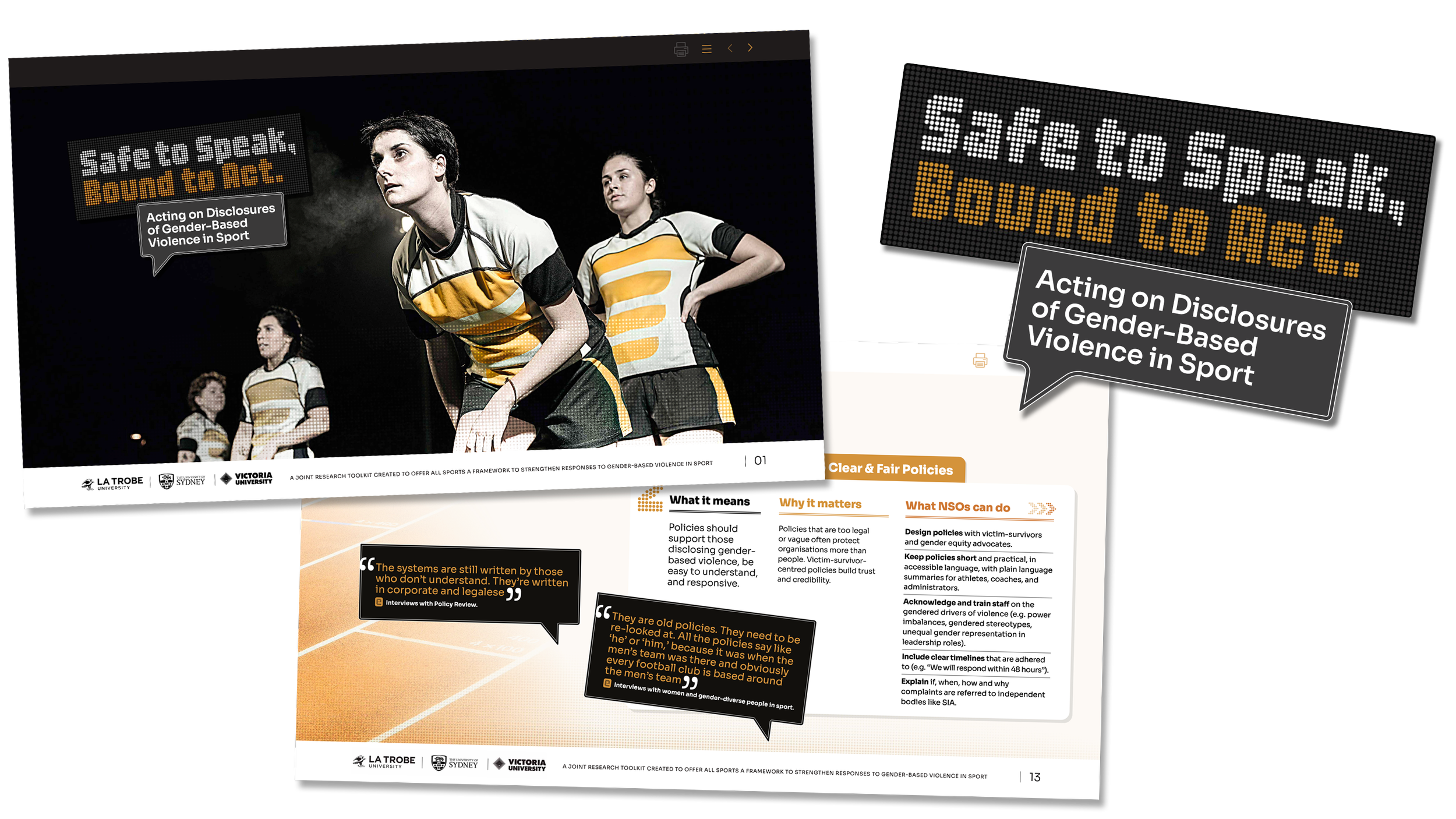
Safe to Speak, Bound to Act is an evidence-based, survivor-informed toolkit designed to help National Sporting Organisations, State Sporting Associations and clubs respond safely and effectively to disclosures and reports of gender-based violence. Developed through research, policy analysis, and interviews with policy developers as well as women and gender-diverse people who have experienced gender-based violence in sport, this resource provides practical, trauma-informed guidance to strengthen reporting pathways and create safer sporting environments.
-
Current systems often fail those who disclose violence. There are gaps in policies, processes are confusing and responses can be inconsistent. Victim-survivors told us they felt unsafe, unheard, and sometimes further traumatised by reporting procedures.
This toolkit addresses those gaps by offering clear, actionable steps for sport organisations to respond with care, respect, and accountability.
-
The toolkit is built around five best practice principles to improve reporting pathways in your sport:
1. Make Reporting Easy: Simple, visible, and accessible reporting pathways.
2. Write Clear & Fair Policies: Survivor-centred, transparent, and practical.
3. Offer Choice and Autonomy: Respect the person’s control over what happens next.
4. Respond with Care & Respect: Trauma-informed, culturally safe, and empathetic responses.
5. Keep Improving: Regular evaluation and learning to strengthen systems over time.
You’ll also find scripts for responding in the moment, examples of good and harmful responses, and tools like the 5Ps Checklist and Roadmap to a Good Response to assess your organisation’s readiness.
-
The Toolkit was created by an interdisciplinary research team with expertise in gender, sport, health, and institutional responses to violence.

Take Action Today
Every disclosure deserves a response that is respectful, supportive, and informed. Download Safe to Speak, Bound to Act and start building safer, more equitable sport environments.Every disclosure deserves a response that is respectful, supportive, and informed. Download Safe to Speak, Bound to Act and start building safer, more equitable sport environments.
Who we are
This work was carried out by an interdisciplinary research team with expertise in gender, sport, health, and institutional responses to violence.
Together, the team represents a blend of disciplinary expertise and a shared commitment to gender equity and safer sport.



-
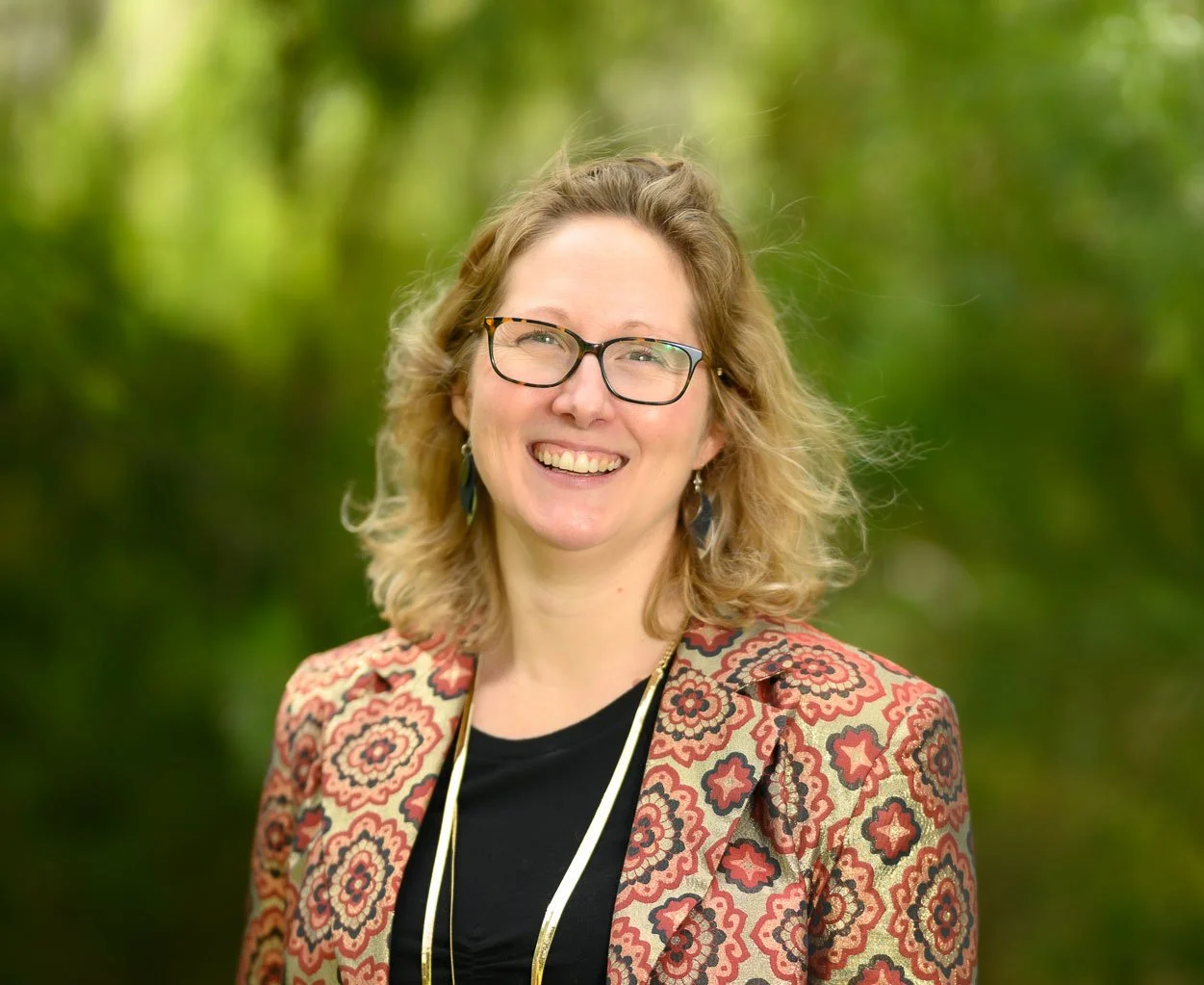
Associate Professor Kirsty Forsdike
Researcher specialising in organisational responses to gender-based violence. Kirsty led the project, whilst also conducting the research review and interviews.
-
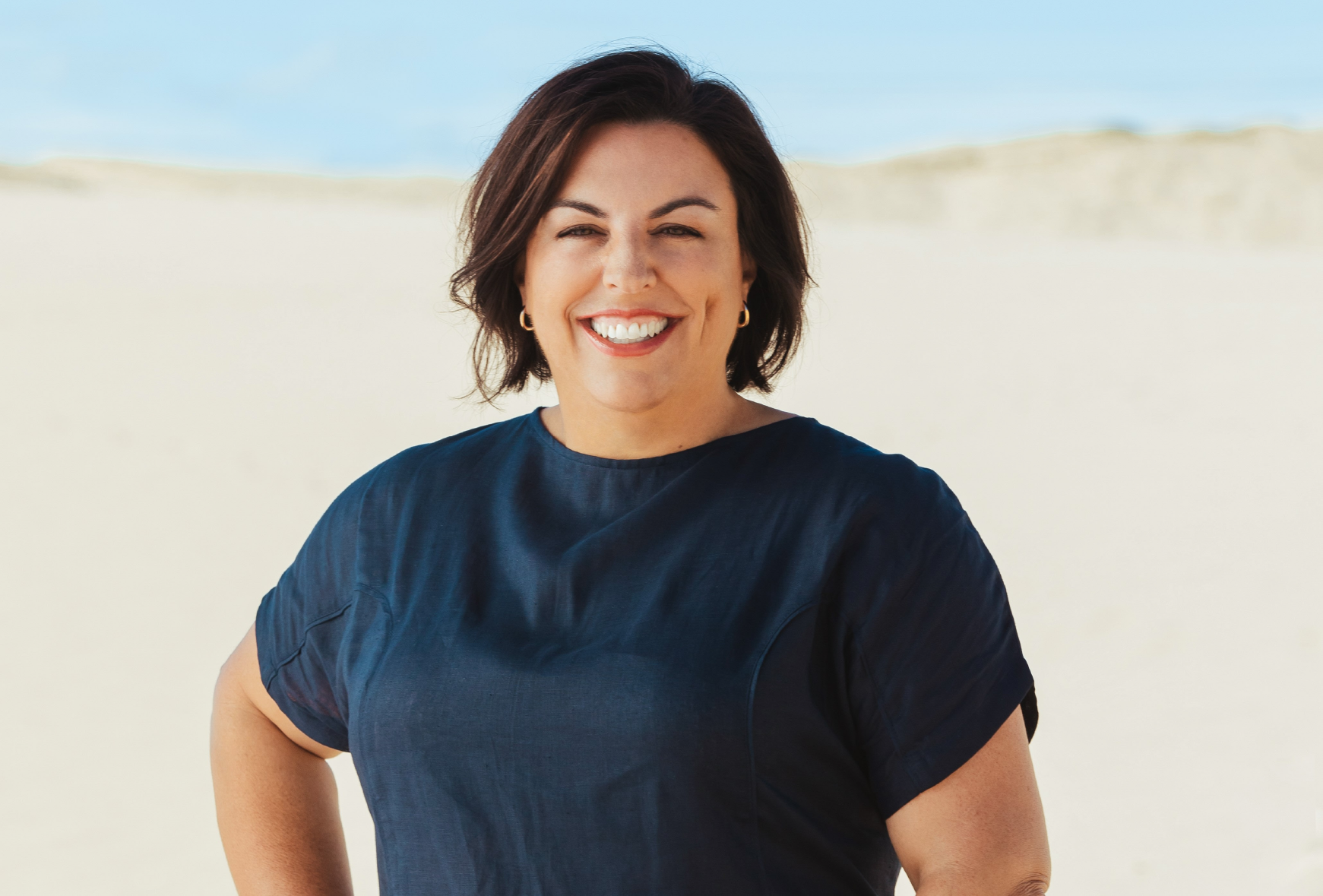
Dr Natalie Galea
Natalie Galea’s research focuses on organisational responses to gender equity and human rights in sport and other male-dominated fields. She conducted the policy analysis for this project. Natalie is an Olympian.
-

Associate Professor Mary Woessner
Researcher specialising in sport science and trauma-informed practice. Mary conducted the research review and provided expertise on the well-being of responders.
-
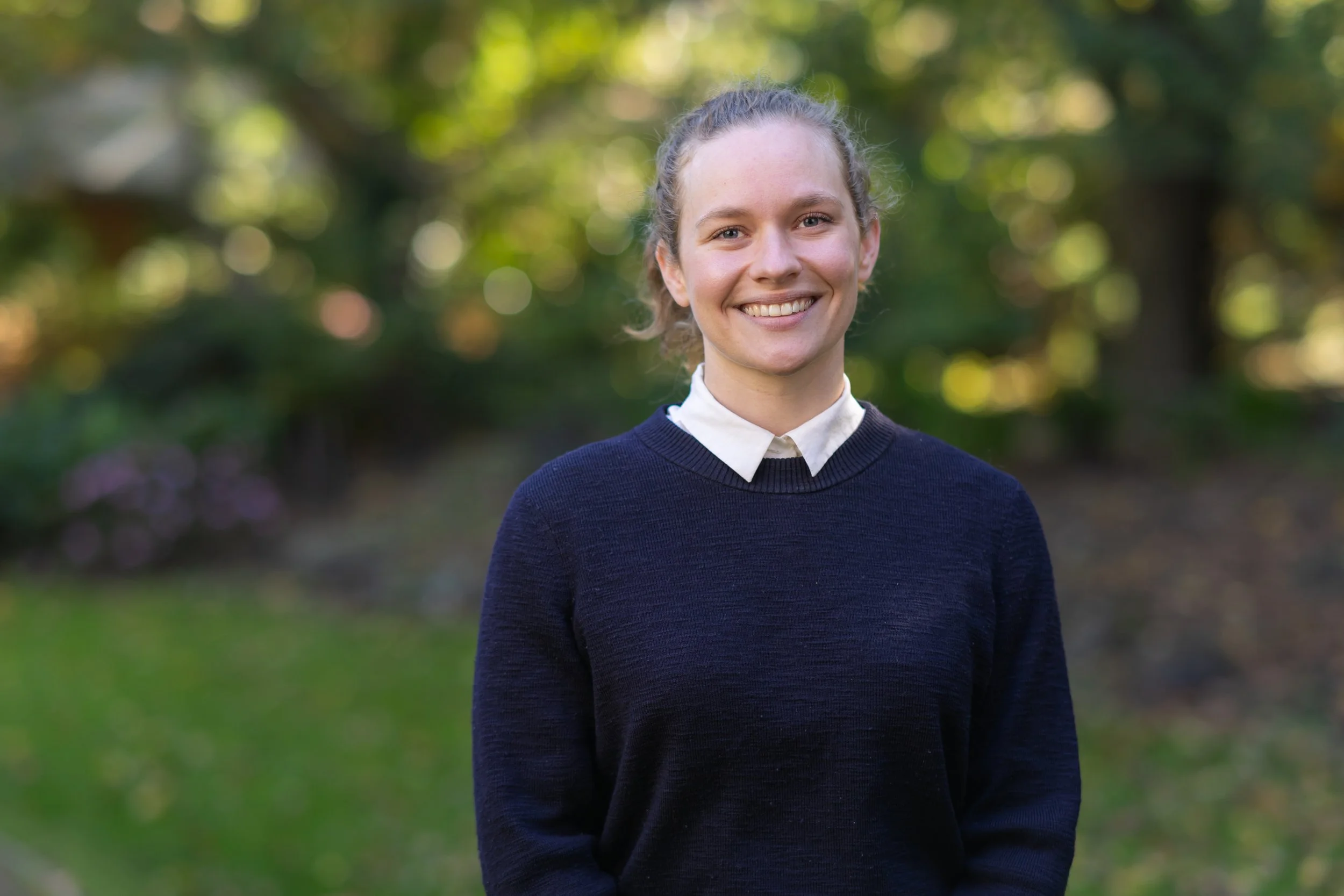
Dr Samantha Marshall
Researcher specialising in gender equality and sexual violence prevention. Samantha conducted the policy analysis and supported all components of the project.
-
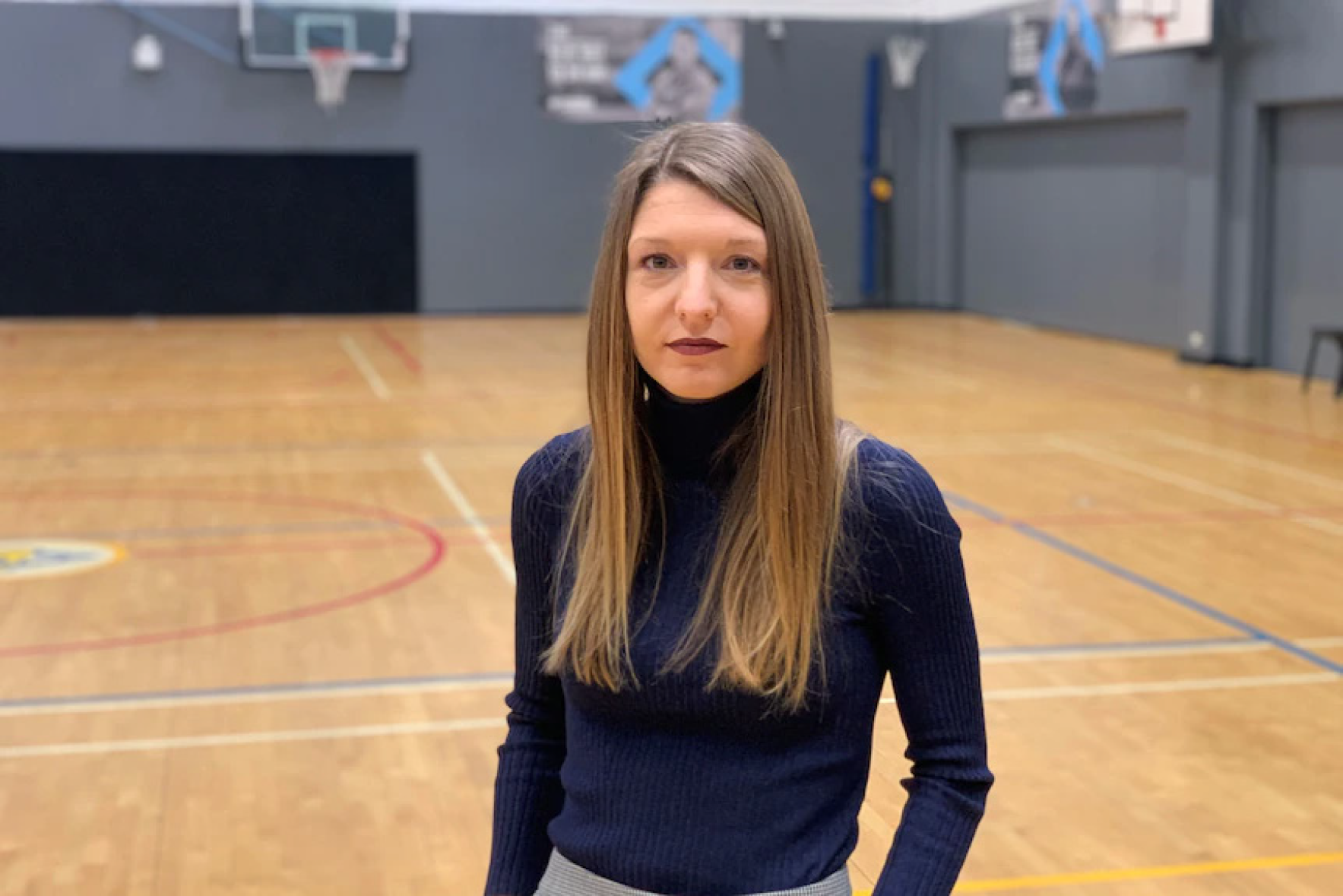
Dr Aurélie Pankowiak
Researcher in community sport responses to child abuse and victim-survivor inclusion in safeguarding in sport research, policy and practice. Aurélie conducted interviews with women and contributed expertise on the lived experience voice.

Need immediate support or advice?
Connect with specialist services:
1800RESPECT
1800 737 732 (24/7)
Safe Steps
1800 015 188
Blue Knot Foundation
1300 657 380
QLife
1800 184 527
13YARN
13 92 76 (First Nations support)